When paralysis strikes, life changes in an instant not just for the patient, but for the entire family. In India, where stroke and neurological conditions are on the rise, paralysis has quietly become one of the most challenging long-term health conditions to manage. According to data from the Indian Stroke Association, nearly 1.8 million people suffer a stroke every year in India, and a significant proportion are left with some form of paralysis.
The immediate question families ask is simple: What actually works in paralysis recovery?
The answer, however, is complex and deeply rooted in science, consistency, and environment.
This article breaks down the clinical truth behind paralysis treatment, what drives paralysis recovery, and why structured neurological rehabilitation plays a critical role in achieving the best outcomes.
Understanding Paralysis: What Happens in the Body
Paralysis is not just the loss of movement it is a breakdown in communication between the brain and muscles. Whether caused by stroke, spinal cord injury, or neurological disorders, the brain’s ability to send signals gets disrupted.
In most cases, paralysis in India is linked to stroke, which falls under the broader domain of Cerebrovascular Disease. When blood supply to a part of the brain is interrupted, the affected region loses function. This can result in:
- Weakness or complete loss of movement (hemiplegia)
- Speech difficulties
- Cognitive and sensory impairments
This is where paralysis treatment begins not just with medication, but with restoring function through rehabilitation.
The Core Science Behind Paralysis Recovery
The foundation of paralysis recovery lies in a concept called neuroplasticity.
What is Neuroplasticity?
Neuroplasticity refers to the brain’s ability to reorganize itself and form new neural connections. Simply put, the brain can “rewire” itself to regain lost functions.
This principle is central to every successful paralysis treatment plan.
Research published by the Indian Council of Medical Research highlights that early and intensive rehabilitation significantly improves functional outcomes in stroke-related paralysis cases.
What Actually Works: Evidence-Based Recovery Approaches
Let’s move beyond myths and focus on what science proves works in paralysis recovery.
1. Early Rehabilitation: The Golden Window
The first 90 days after paralysis are often called the “golden period.” During this phase, the brain is most responsive to recovery efforts.
- Early paralysis treatment improves mobility outcomes
- Reduces long-term disability
- Prevents complications like muscle stiffness and bed sores
Delays in starting neurological rehabilitation can significantly reduce recovery potential.
2. Repetition-Based Physiotherapy
Recovery is not about one-time therapy sessions it is about consistent, repetitive movement.
- Daily physiotherapy retrains muscles
- Repetition strengthens neural pathways
- Improves balance, coordination, and mobility
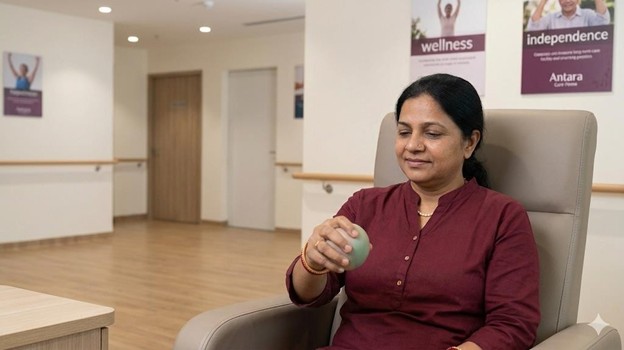
In structured settings like a paralysis RehabCentre , therapy is planned and tracked, ensuring measurable progress.
3. Multidisciplinary Neurological Rehabilitation
The most effective paralysis treatment is never one-dimensional. It involves a team of specialists working together.
A strong neurological rehabilitation program includes:
- Physiotherapists (movement recovery)
- Occupational therapists (daily living skills)
- Speech therapists (communication recovery)
- Doctors and nurses (medical management)
This integrated approach is often considered the best treatment for paralysis, especially in moderate to severe cases.
4. Speech and Cognitive Therapy
Paralysis often affects speech and cognition, especially after stroke.
- Speech therapy helps regain communication skills
- Cognitive therapy improves memory, attention, and problem-solving
- Early intervention prevents long-term deficits
Ignoring these aspects slows overall paralysis recovery.
5. Nutrition and Medical Management
Recovery is not just physical—it is metabolic.
- Protein-rich diets support muscle repair
- Controlled blood pressure and sugar levels prevent relapse
- Medication adherence ensures stability
Many families underestimate this part of paralysis treatment, but it plays a critical role.
6. Emotional and Psychological Support
Depression and anxiety are common during paralysis recovery.
A study published by the All India Institute of Medical Sciences found that nearly 30–50% of stroke survivors experience post-stroke depression.
- Mental health support improves participation in therapy
- Positive environment accelerates recovery outcomes
- Family counseling reduces caregiver burnout
Why Environment Matters More Than You Think
One of the most overlooked aspects of paralysis treatment in India is the recovery environment. While families focus on medicines and therapy, where recovery happens plays a critical role in outcomes.
Most families prefer care at home, but sustaining effective paralysis recovery becomes difficult over time. Therapy routines often become irregular, access to trained professionals is limited, and monitoring is inconsistent. At the same time, caregivers face physical and emotional stress, which further impacts continuity of care. This is not a gap in intent—it is a limitation of the home setting.
From a clinical perspective, recovery depends on three key principles: repetition, consistency, and supervision. A home setup rarely supports all three together. In contrast, a structured Rehab Centre or Care Home is designed around these very principles, making it easier to deliver effective neurological rehabilitation.
In such environments, therapy becomes routine rather than optional. Patients receive coordinated care from multiple specialists, progress is monitored closely, and early signs of complications are addressed in time. This integrated approach is often considered the best treatment for paralysis, especially in moderate to severe cases.
Importantly, choosing a Care Home or Rehab Centre does not replace family involvement—it strengthens it. Families remain emotionally connected and involved in decisions, while professionals ensure that recovery stays on track.
At home, recovery depends on effort. In a structured environment, it is supported by a system.
And in paralysis recovery, that system often makes all the difference.
Structured Rehab vs Home-Based Recovery
Let’s look at the difference from a clinical standpoint.
At Home:
- Therapy is often irregular
- Exercises may not be done correctly
- Monitoring is limited
- Emergency response may be delayed In a Structured Rehab Setting:
- Daily, supervised therapy sessions
- Progress tracking and goal-based plans
- 24×7 medical and nursing support
- Immediate intervention in case of complications
From a scientific perspective, structured neurological rehabilitation environments consistently deliver better outcomes in paralysis recovery.
What Makes the Best Treatment for Paralysis?
There is no single “magic” solution. The best treatment for paralysis is a combination of:
- Early intervention
- Consistent physiotherapy
- Multidisciplinary care
- Proper nutrition and medication
- Emotional support
- Structured rehabilitation environment
When these elements come together, recovery becomes not just possible—but measurable.
The Role of Care Homes in Modern Paralysis Recovery
In India, the concept of recovery is evolving. Families are increasingly recognizing the value of professional care ecosystems.
A modern Care Home is not just a place to stay it is designed for recovery.
It offers:
- Safe, senior-friendly infrastructure
- Continuous monitoring
- Access to trained rehabilitation teams
- Reduced burden on families
For patients with moderate to severe paralysis, these environments often provide the consistency required for meaningful paralysis recovery.
A Reality Many Families Face
A working professional in Gurgaon struggles to manage his father’s stroke recovery.
Physiotherapy sessions are irregular, medication timings are missed, and progress is slow. The emotional and physical strain begins to show.
When structured neurological rehabilitation is introduced with daily therapy, monitoring, and medical supervision, recovery becomes more predictable. Small improvements turn into milestones.
This is not an exception. It is the difference structure makes.
The Future of Paralysis Treatment in India
India is witnessing a shift in how long-term care is perceived.
With increasing awareness, more families are moving towards:
- Organized Rehab Centres
- Integrated care models
- Clinically driven recovery plans
The focus is no longer just survival—but quality of life and functional independence.
Final Thoughts: Recovery is a Journey, Not an Event
Paralysis recovery does not happen overnight. It requires patience, consistency, and the right environment.
The science is clear:
- The brain can adapt
- The body can relearn
- Recovery is possible
But only when the right systems are in place.
Choosing the right paralysis treatment approach—supported by structured neurological rehabilitation—can make the difference between dependency and independence.
And in many cases, that journey is best supported not alone at home, but within a system designed for recovery.
